How to Incorporate Paella into Your Wedding Theme
Table Of Contents
Paella as a Centrepiece
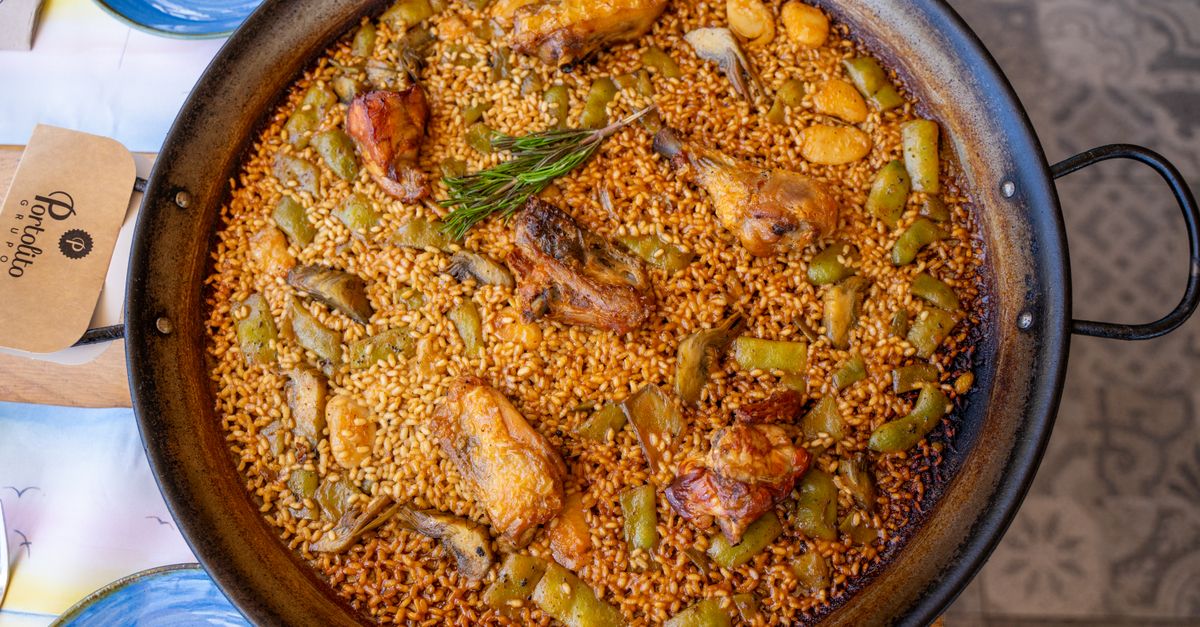
Incorporating paella as a central dish at your wedding offers a vibrant and interactive dining experience. The presentation of a large, colourful paella pan is visually striking and encourages guests to engage with the meal. This communal aspect creates a warm atmosphere that enhances the celebration. Guests can gather around the paella, share stories, and enjoy the delightful aromas that fill the air.
Selecting a range of flavours is crucial for showcasing the dish's diversity. Traditional seafood, chicken, or vegetarian versions can cater to different tastes and preferences. Consider creating several smaller pans with different ingredients to ensure everyone finds something they enjoy. This not only highlights the gastronomic diversity of paella but also adds an element of excitement as guests explore the various options available.
Arranging for Visual Appeal
When planning a wedding featuring paella, presentation plays a critical role in creating a stunning visual experience. Using vibrant, colourful ingredients enhances the dish's appeal. Consider a traditional paella pan as the serving vessel, allowing guests to admire the saffron-hued rice and fresh seafood or vegetables. Surrounding the dish with aromatic garnishes, such as lemon wedges and fresh herbs, can elevate the overall display.
Incorporating complementary decor further enhances the theme. Choose table linens in warm, earthy tones to connect with the rustic origins of the dish. Paying attention to centrepiece arrangements, such as terracotta pots filled with Mediterranean flowers, can add charm to the tablescape. This thoughtful layering of colours, textures, and elements invites guests to enjoy both the aesthetic and the culinary experience of paella at your wedding.
Pairing Wines with Paella
The rich, bold flavours of paella demand equally robust wine pairings to enhance the overall dining experience. Red wines, particularly those from Spain like Tempranillo or Garnacha, complement the meat and seafood ingredients beautifully. For lighter versions featuring seafood, a crisp white, such as Albariño or Verdejo, can elevate the dish's delicate nuances. The key is to balance the wine's acidity with the dish's flavour profile, ensuring neither one overshadows the other.
When considering local options, Australian wines can also work wonderfully. A vibrant Sauvignon Blanc from the Adelaide Hills can offer a refreshing contrast to the spices in the paella. For those who prefer red, a Shiraz provides a bold complement to the dish's heartiness. Pairing these wines thoughtfully ensures a harmonised culinary experience that will enhance your wedding celebration.
Best Wine Selections for Spanish Cuisine
When serving paella, selecting the right wine can enhance the overall dining experience. A classic pairing includes a crisp Albariño or a bright Verdejo. These white wines, often hailing from the Rías Baixas and Rueda regions respectively, complement the dish's seafood elements beautifully. For chicken or mixed seafood paella, consider a Tempranillo. This red offers a rich flavour profile that balances well with the paella's spices.
Sparkling wines like Cava also make an excellent choice, providing a refreshing contrast to the dish's richness. The bubbles in Cava cleanse the palate, allowing the flavours of the paella to shine through. Adding a good quality rosé can be a versatile approach as well, especially for outdoor weddings, providing a vibrant colour and a fruity character that pairs well with various ingredients in the dish.
Dietary Considerations
When planning a wedding menu featuring paella, it is essential to consider the diverse dietary needs of guests. Not everyone eats the same way, whether due to personal choices or health requirements. Offering a variety of paella options can ensure that both meat-eaters and those following plant-based diets are catered for. A traditional seafood paella can satisfy those who enjoy fish, while a chicken and chorizo variant is perfect for those who prefer heartier flavours.
In addition to meat options, providing a vegetarian or vegan paella is crucial for accommodating those who do not consume animal products. A vibrant mix of seasonal vegetables, legumes and saffron-infused rice can create a dish that is both satisfying and visually appealing. Clear communication with the catering team is vital to prevent cross-contamination and to ensure that everyone feels included in this culinary celebration.
Accommodating Vegetarians and Vegans
When planning a paella menu, it is essential to include options that cater to vegetarian and vegan guests. Traditional paella often features meat and seafood, so it’s crucial to create a plant-based version that is equally delicious. Utilising seasonal vegetables such as bell peppers, artichokes, and peas can add vibrant colour and flavour. Incorporating spices like saffron and smoked paprika can enhance the dish's taste without sacrificing authenticity.
To ensure inclusivity, consider offering a specific vegetarian or vegan paella as part of the main course options. This can provide both a stand-alone dish and a way to celebrate the essence of Spanish cuisine in a plant-friendly manner. Additionally, pairing this alternative with suitable sides, such as a refreshing salad or roasted vegetables, can round out the meal. This thoughtful approach allows all guests to enjoy the culinary experience, regardless of their dietary preferences.
FAQS
What is paella and why is it a good choice for a wedding theme?
Paella is a traditional Spanish rice dish that typically features a variety of ingredients, such as seafood, meats, and vegetables. It serves as a vibrant and unique centrepiece for a wedding, adding a touch of Mediterranean flair to the celebration while appealing to a wide range of tastes.
How can I arrange paella to create a visually appealing presentation?
To arrange paella for visual appeal, consider serving it in a large, shallow paella pan to showcase its colourful ingredients. Garnish with fresh herbs like parsley, lemon wedges, and colourful vegetables. Surround the pan with decorative elements such as candles or flowers that complement your wedding theme.
What wines pair best with paella?
Wines that pair well with paella include fruity white wines like Albariño or Verdejo, as well as light to medium-bodied red wines such as Garnacha or Tempranillo. These wines enhance the flavours of the dish and complement the diverse ingredients typically found in paella.
How can I accommodate vegetarian or vegan guests when serving paella?
To accommodate vegetarian and vegan guests, consider preparing a separate vegetable paella that features seasonal vegetables, legumes, and plant-based protein. Ensure that all garnishes and accompaniments are also vegan-friendly, allowing everyone to enjoy this delicious dish.
Are there any specific dietary restrictions I should consider when planning for paella at my wedding?
Yes, it’s important to consider dietary restrictions such as gluten intolerance, shellfish allergies, and preferences like vegetarianism or veganism. Be sure to communicate with your caterer about these needs and provide alternative options to ensure all guests can enjoy the meal.
Related Links
The Best Locations for Hosting a Wedding Paella FeastPairing Wine with Wedding Paella: A Guide
The Importance of Fresh Ingredients in Wedding Paella
Unique Flavours to Explore in Wedding Paella Catering
Customized Wedding Paella Packages for Any Budget
Enhancing Your Wedding Reception with Paella Stations
Popular Paella Styles for Sydney Weddings
Essential Tips for Choosing a Wedding Paella Caterer